My Account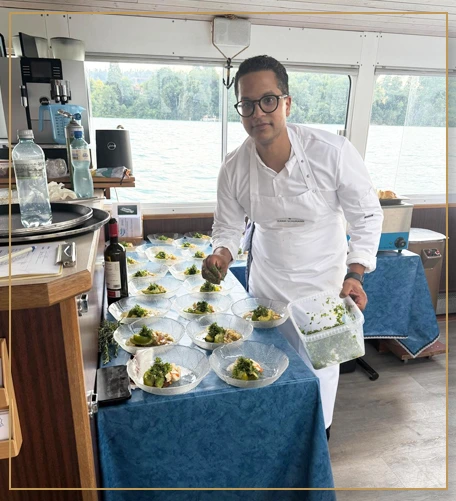


Choosing where to eat is easy when you simply want a meal. But when you're celebrating something special, the decision becomes more interesting.
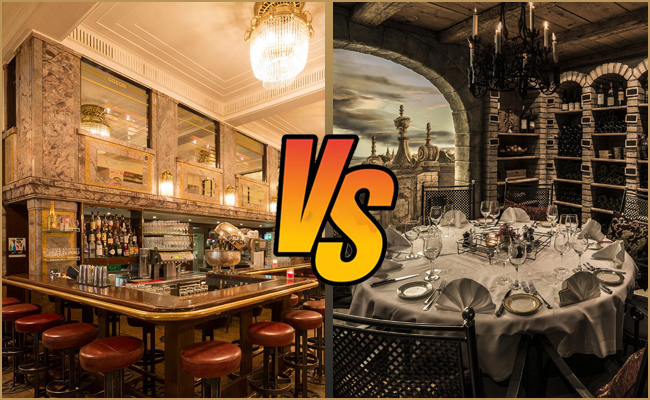
Should you book a table at a restaurant, or choose a fine dining experience?
Although the terms are sometimes used interchangeably, restaurant dining and fine dining can offer very different experiences. The biggest difference is not simply the price of the food. It is the attention given to the menu, ingredients, presentation, service, atmosphere, and overall experience.
In this guide, we’ll compare restaurant vs fine dining and explain which option may be better for different occasions.
What Is a Restaurant?
A restaurant is a broad term for a place where food and drinks are prepared and served to customers.
Restaurants can range from casual cafés and family-friendly venues to premium restaurants with sophisticated menus.
A typical restaurant experience may focus primarily on:
- Good food
- Convenient service
- Comfortable surroundings
- A varied menu
- Social dining
The atmosphere and level of service can vary significantly depending on the restaurant.
A casual restaurant may offer a relaxed setting, while an upscale restaurant may provide more personalised service and a more elaborate menu.
What Is Fine Dining?
Fine dining is an elevated style of dining where food, service, presentation, atmosphere, and attention to detail are all carefully considered.
A fine dining experience often includes:
- Carefully designed menus
- High-quality or seasonal ingredients
- Detailed food presentation
- Professional table service
- Thoughtful wine or beverage pairings
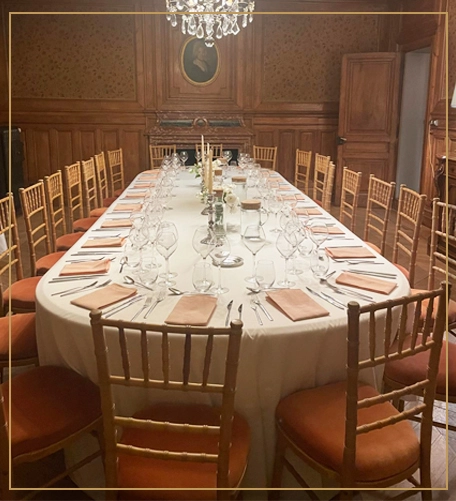
- Elegant surroundings
- A slower, more structured dining experience
Fine dining is therefore not simply about eating expensive food.
It is about creating a complete culinary experience.
Hire a private chef for dinner party
Restaurant vs Fine Dining: The Main Differences
1. Food and Menu
One of the most noticeable differences is the approach to food.
A conventional restaurant may offer a large menu with many choices. Fine dining restaurants often focus on a more carefully curated selection of dishes.
A fine dining menu may include:
- Seasonal ingredients
- Chef-created dishes
- Tasting menus
- Multi-course meals
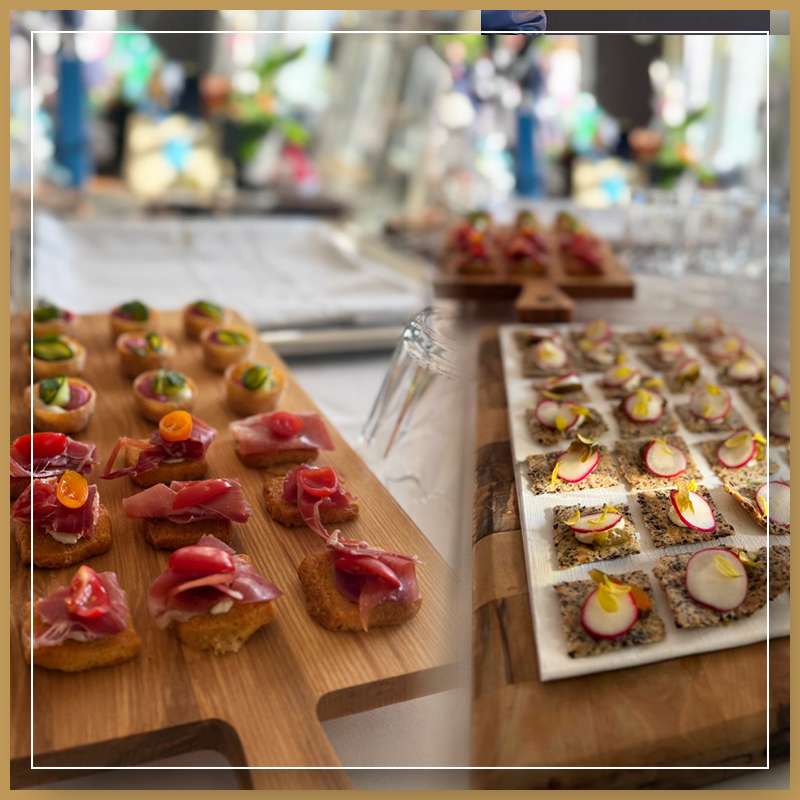
- Special presentations
The goal is usually to create balance between flavour, texture, presentation, and progression throughout the meal.
Fine dining generally places greater emphasis on the culinary experience itself.
2. Service
Service is another major difference.
In a typical restaurant, service is designed to be efficient and welcoming.
Fine dining service tends to be more attentive and detailed.
You may notice:
- More knowledgeable servers
- Detailed explanations of dishes
- Carefully timed courses
- Personalised recommendations
- More attention to table presentation
Every part of the service is designed to complement the meal.
3. Atmosphere
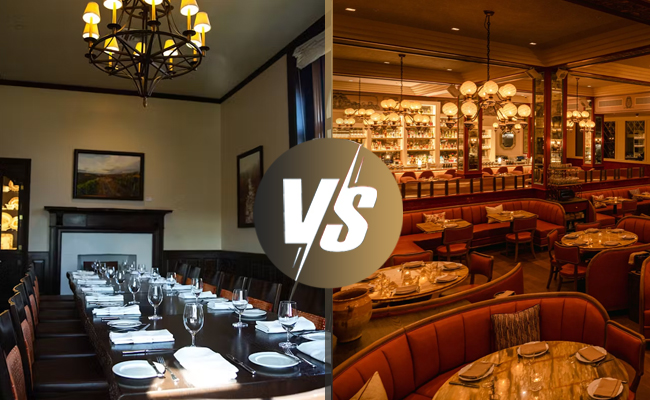
A restaurant can have any type of atmosphere—from casual and lively to modern and sophisticated.
Fine dining usually places greater importance on creating a specific atmosphere.
This may include:
- Elegant interiors
- Carefully selected lighting
- Table settings
- Background music
- Spacious seating
- More privacy
The environment is designed to make the meal feel like an occasion.
4. Presentation
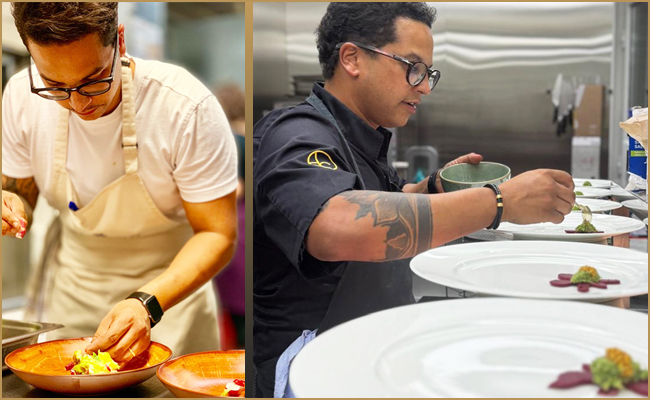
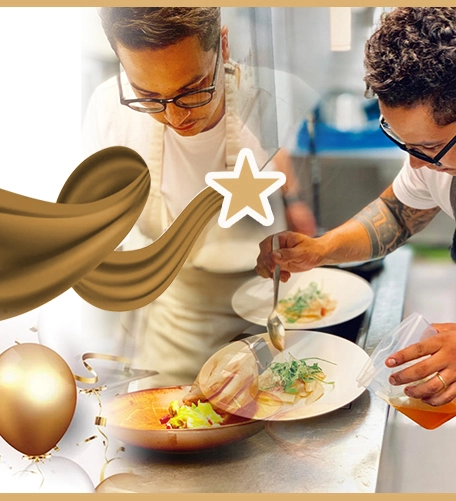
Food presentation is often much more elaborate in fine dining.
A regular restaurant may focus on attractive plating, but fine dining chefs often pay close attention to:
- Colour
- Texture
- Portion balance
- Arrangement
- Garnishing
- Plate selection
The idea is to make the dish appealing before the first bite.
In fine dining, presentation becomes part of the storytelling of the dish.
5. Time and Dining Pace
Restaurant meals can often be relatively quick and flexible.
Fine dining is usually slower.
A multi-course experience may last several hours because each dish is served at a carefully planned pace.
This allows diners to:
- Appreciate each course
- Enjoy conversation
- Experience the progression of the menu
- Relax rather than rush
For people looking for a memorable evening rather than a quick meal, this can be a significant advantage.
Also Read: Private Chef vs Restaurant
Is Fine Dining Worth the Higher Price?
One of the most common questions about restaurant vs fine dining is whether the extra cost is worth it.
The answer depends on what you value.
When you pay for fine dining, you are typically paying not just for the ingredients, but for the complete experience:
Food + Technique + Presentation + Service + Atmosphere + Experience
For an ordinary weekday meal, a traditional restaurant may offer better value.
For an anniversary, birthday, engagement, corporate dinner, or other milestone, the additional investment may feel much more worthwhile.
Restaurant vs Fine Dining: Which Is Better for Special Occasions?
For casual meals:
Restaurant
A conventional restaurant may be the better choice because it offers flexibility, variety, and convenience.
For milestone occasions:
Fine Dining
Fine dining may be more suitable because the meal becomes part of the celebration.
However, there is another option that combines the best elements of both.
Fine Dining at Home: A More Personal Experience
Instead of travelling to a fine dining restaurant, some people choose to bring the experience home.
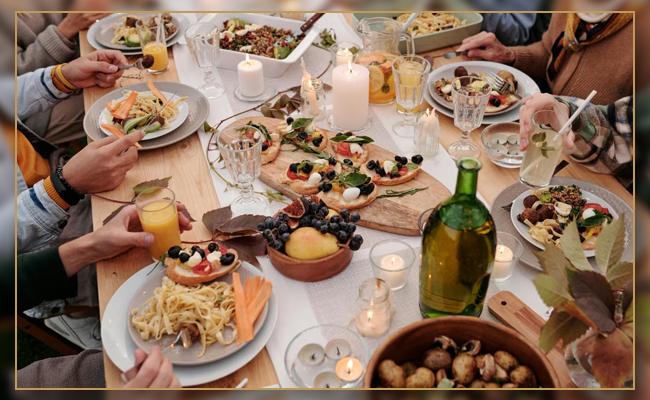
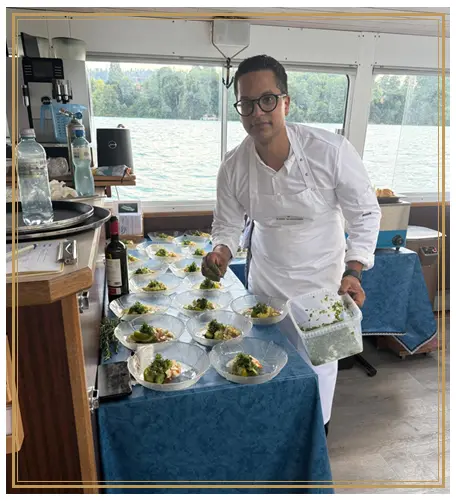
A private chef can prepare a restaurant-quality or fine dining menu in your own home or chosen venue.
This can offer advantages such as:
- Privacy
- Bespoke menus
- Personalised service
- Flexible timing
- Intimate atmosphere
- No crowded dining room
- No need to travel
For small celebrations, private dining can feel particularly special because the experience is designed specifically for the guests.
Restaurant vs Private Fine Dining
There is an important difference between visiting a fine dining restaurant and hiring a private chef.
Fine Dining Restaurant
You receive a sophisticated dining experience within the restaurant's established environment.
Private Fine Dining
The experience is brought to your home or selected venue and can be customised around your occasion.
A private chef can adapt the menu to:
- Guest preferences
- Dietary requirements
- Event theme
- Number of courses
- Occasion
- Preferred dining style
This makes private fine dining a strong option for people looking for exclusivity and personalisation.
When Should You Choose a Restaurant?
A restaurant may be ideal when you:
- Want a casual meal
- Prefer a large menu
- Are meeting friends
- Want a spontaneous dining experience
- Don't need a highly personalised menu
- Prefer dining in a public setting
Restaurants are convenient, social, and suitable for a wide range of situations.
When Should You Choose Fine Dining?
Fine dining may be a better fit when you:
- Are celebrating an anniversary
- Planning a birthday
- Hosting important guests
- Want to explore sophisticated cuisine
- Enjoy tasting menus
- Appreciate detailed presentation
- Want a slower and more immersive experience
The occasion often determines whether the additional experience is worthwhile.
When Should You Hire a Private Chef?
A private chef may be the ideal choice when you want the experience of fine dining with greater privacy and flexibility.
It can work particularly well for:
- Intimate birthday dinners
- Anniversaries
- Engagement celebrations
- Family gatherings
- Dinner parties
- Corporate dinners
- Luxury villa stays
- Private celebrations
Rather than adapting your celebration around a restaurant, you can build the dining experience around your celebration.
Chef Karim Schumann: A Personal Approach to Fine Dining
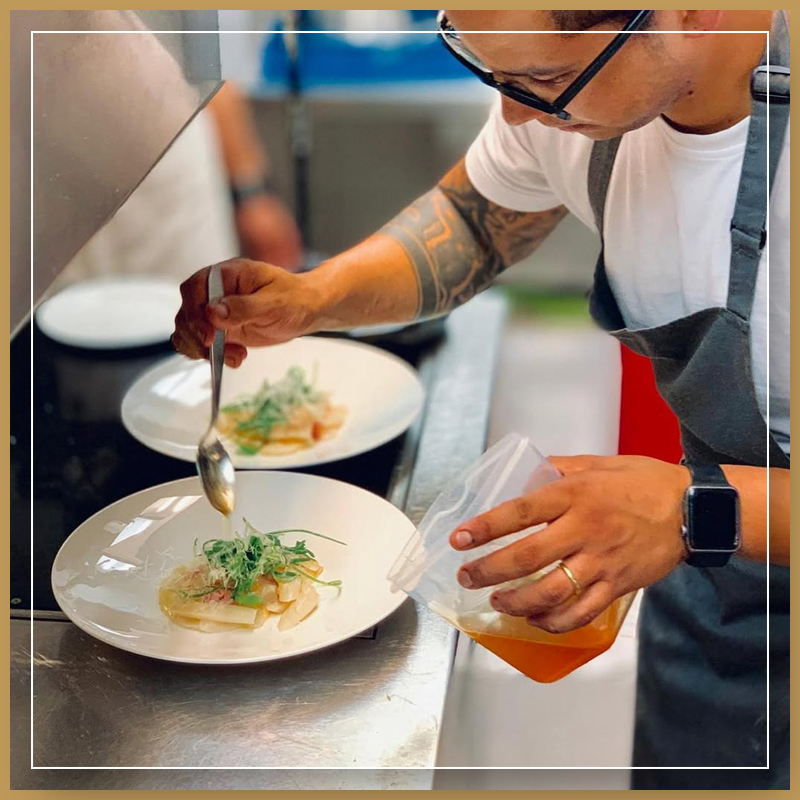
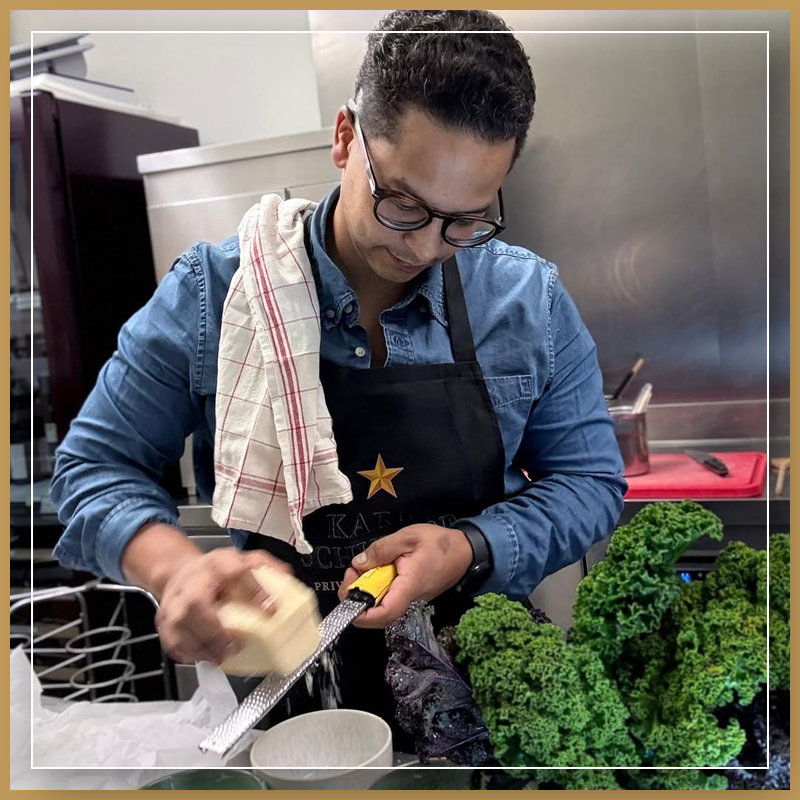
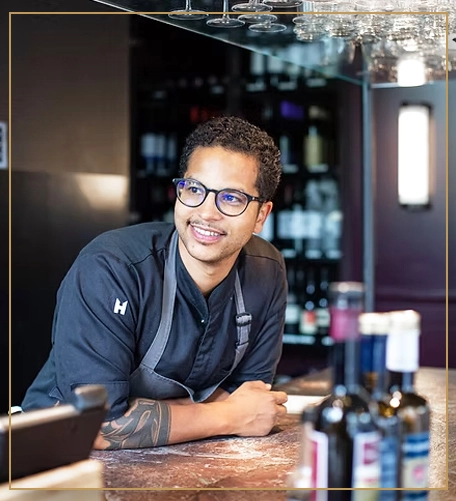
For guests who want more than a restaurant reservation, Chef Karim Schumann creates personalised private dining and catering experiences designed around the occasion.
The focus is on creating menus that feel thoughtful, refined, and appropriate for each event.
Whether you're planning an intimate dinner, a birthday celebration, or a luxury gathering, private dining allows you to enjoy carefully prepared cuisine in a more personal setting.
The result is not simply a meal.
It is an experience created around you and your guests.
Final Thoughts
When comparing restaurant vs fine dining, the answer depends on what kind of experience you're looking for.
A restaurant can be perfect for everyday meals, social occasions, and relaxed dining.
Fine dining offers a more sophisticated experience, with greater attention to food, presentation, service, and atmosphere.
For those who want even more privacy and personalisation, a private chef experience can take fine dining beyond the restaurant and bring it directly to your chosen setting.
Ultimately, the best choice is the one that matches your occasion.
Because sometimes, you're not simply looking for dinner.
You're looking for a memory.
Frequently Asked Questions
What is the difference between a restaurant and fine dining?
A restaurant is a broad term covering many types of dining establishments, while fine dining refers to a more elevated experience focused on high-quality food, detailed presentation, attentive service, and atmosphere.
Is fine dining more expensive than a regular restaurant?
Generally, fine dining costs more because the price reflects not only the food but also the ingredients, culinary techniques, service, presentation, and overall dining experience.
Is fine dining suitable for birthdays and anniversaries?
Yes. Fine dining is particularly suitable for special occasions such as birthdays, anniversaries, engagements, and important celebrations.
What is private fine dining?
Private fine dining is an experience where a professional chef prepares a sophisticated meal in your home or another private venue rather than in a public restaurant.
Is a private chef better than a fine dining restaurant?
It depends on your preferences. A private chef offers greater privacy, menu customisation, and flexibility, while a fine dining restaurant provides its own atmosphere, professional kitchen environment, and established dining experience.
Can a private chef create a customised fine dining menu?
Yes. Private chefs can often design menus around guest preferences, dietary requirements, the occasion, and the desired style of dining.